Photography guide / 18 October 2026
Architectural mobile photography: capturing Dubai’s skyline
Choosing lenses, controlling perspective and working with light when the camera in your pocket is the camera you have.
Bob Films Editorial
A capable camera is only the beginning.
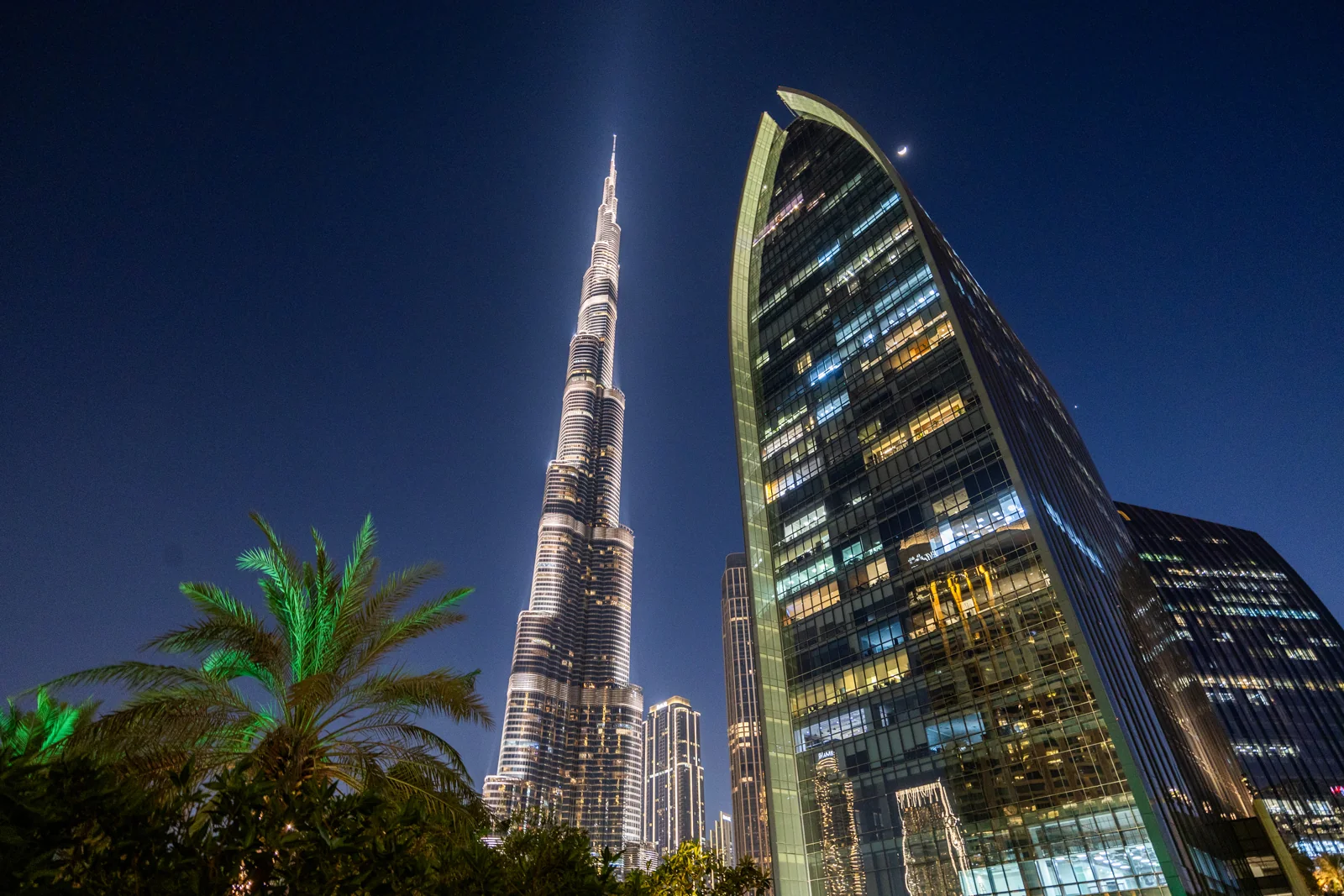
Smartphone photography makes architectural image-making accessible, but clear results still depend on stability, composition, light and thoughtful editing. Dubai provides a broad range of skylines, towers and architectural details on which to practise.
01 / Camera and lenses
Choose the view that suits the structure.
Begin with a smartphone camera that gives you reliable wide, ultra-wide and telephoto options. The ultra-wide view can help when a large structure must fit within the frame, while a standard wide lens often produces a more natural perspective.
A telephoto lens is useful for isolating façades, patterns and distant details. Instead of choosing the widest lens automatically, compare each view and select the one that describes the building most clearly.
02 / Stability
Support the phone when precision matters.
A compact tripod can reduce camera movement and help you align vertical and horizontal lines. It is especially useful in lower light or when experimenting with a longer exposure.
Clip-on lenses can extend a phone’s creative options, but they are not essential. Treat fisheye, macro and other specialist attachments as deliberate tools rather than automatic improvements.
Build the frame deliberately
Composition
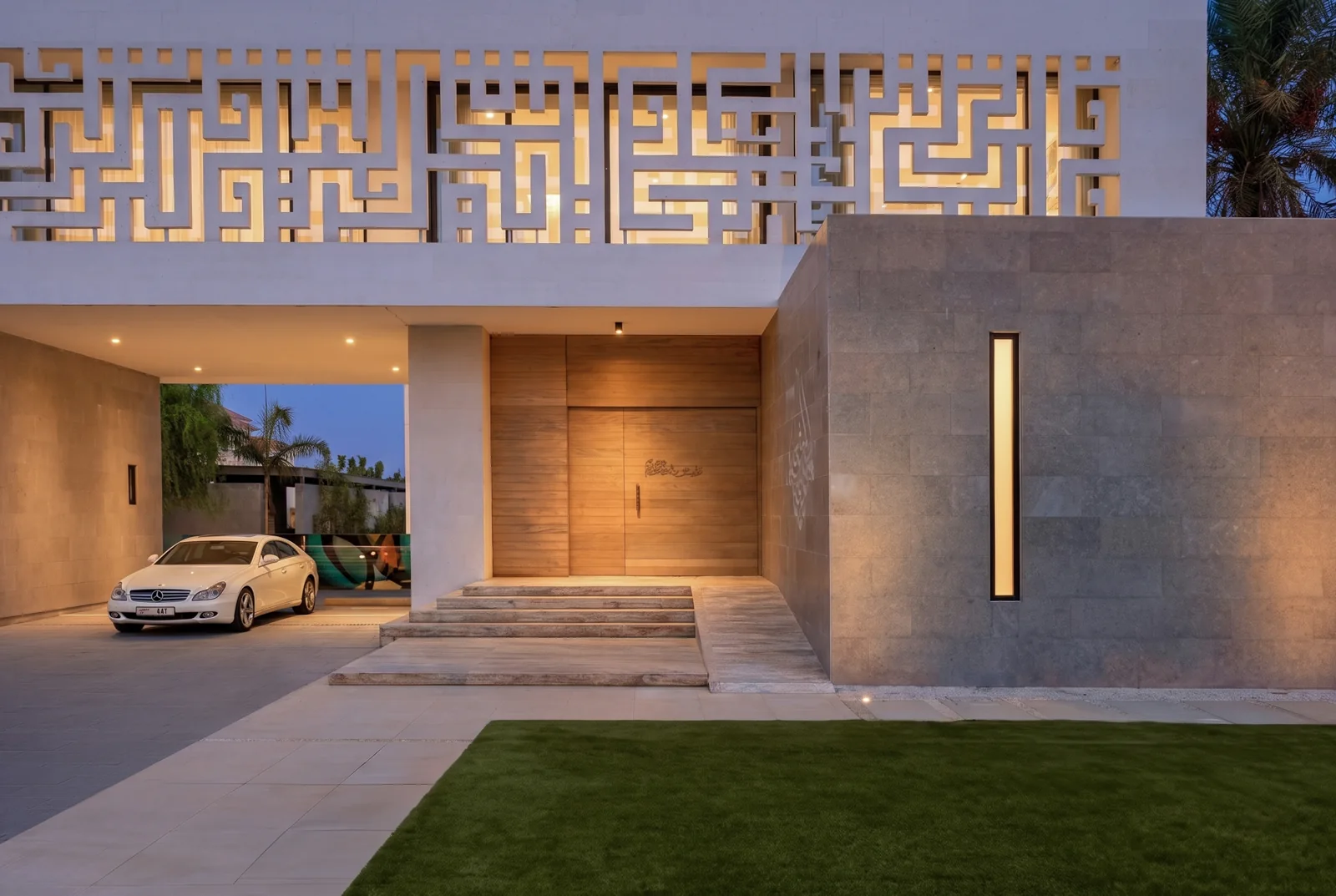
Look for symmetry, repeated patterns and leading lines. Use the rule of thirds as a starting point, then adjust the frame to suit the architecture.
Light and shadow
Softer light shortly after sunrise or before sunset can reveal texture, shape and depth. Watch how longer shadows interact with the structure.
Perspective
Keep the phone level when straight verticals are important. Move your position before relying on digital perspective correction.
03 / Editing
Refine the image without losing the building.
Post-processing can improve exposure, contrast, colour and perspective. Mobile editing tools can be useful for small corrections that strengthen the original photograph.
Avoid pushing adjustments so far that materials, light or scale feel artificial. The goal is a clear interpretation of the architecture, not an effect that overwhelms it.