Architectural photography / 18 October 2026
Six principles of architectural photography
Perspective, light, symmetry, detail, exposure and editing—each used to reveal the structure rather than overpower it.
Bob Films Editorial
Begin by observing how the building is organised.
Architectural photography is a study of form, space and material. The strongest viewpoint may be frontal and precise or angled and unexpected, but it should always help the viewer understand something specific about the structure.
Six principles to practise
Master perspective
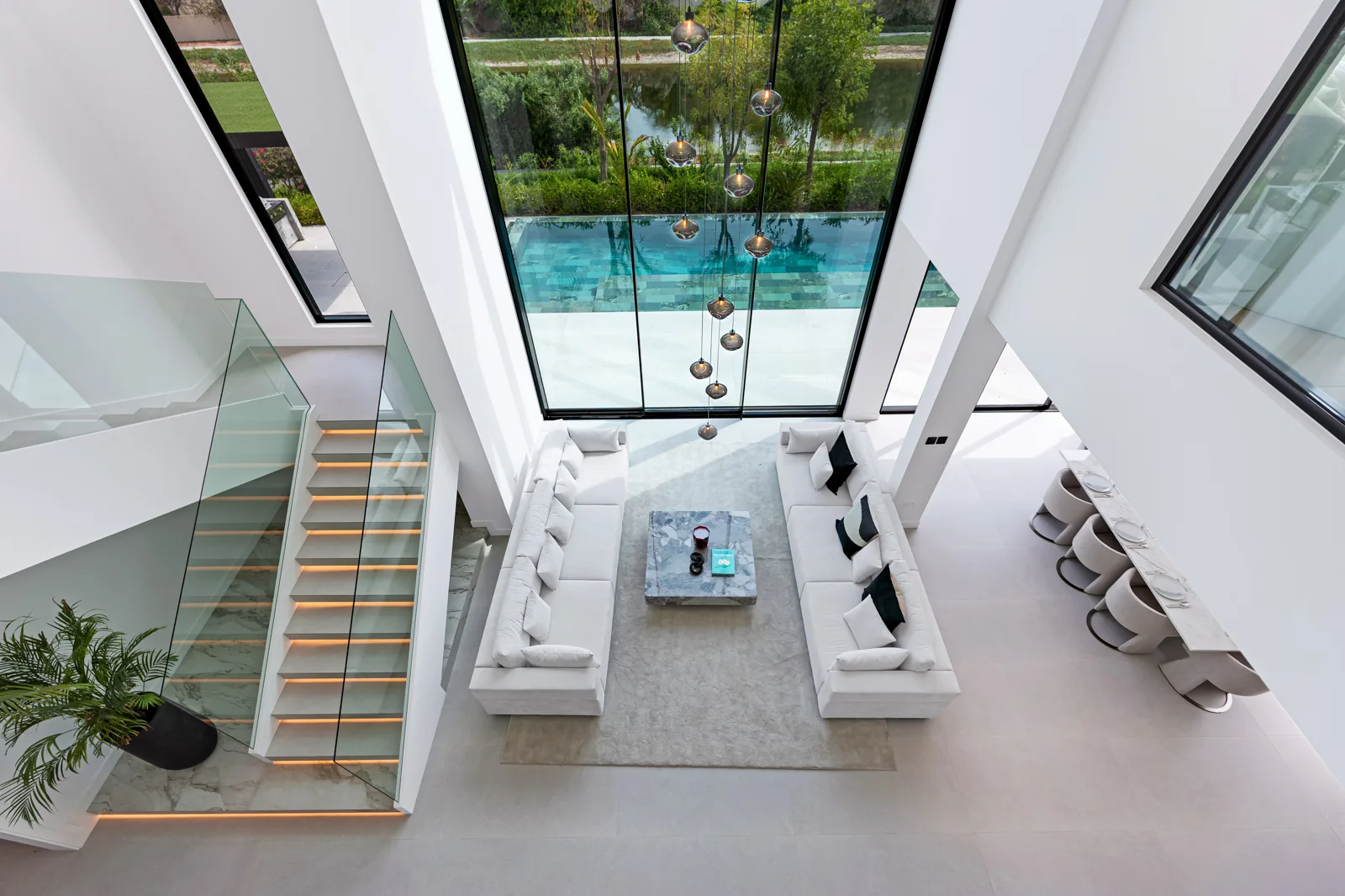
Walk around the building and compare ground-level and elevated viewpoints. Control the camera angle when straight lines matter, and choose perspective because it clarifies a feature—not merely because it looks dramatic.
Work with light
Light reveals the building’s character through highlight and shadow. Golden hour, blue hour and overcast conditions each describe surfaces differently, so wait for the light that supports the intended mood.
Use symmetry and patterns
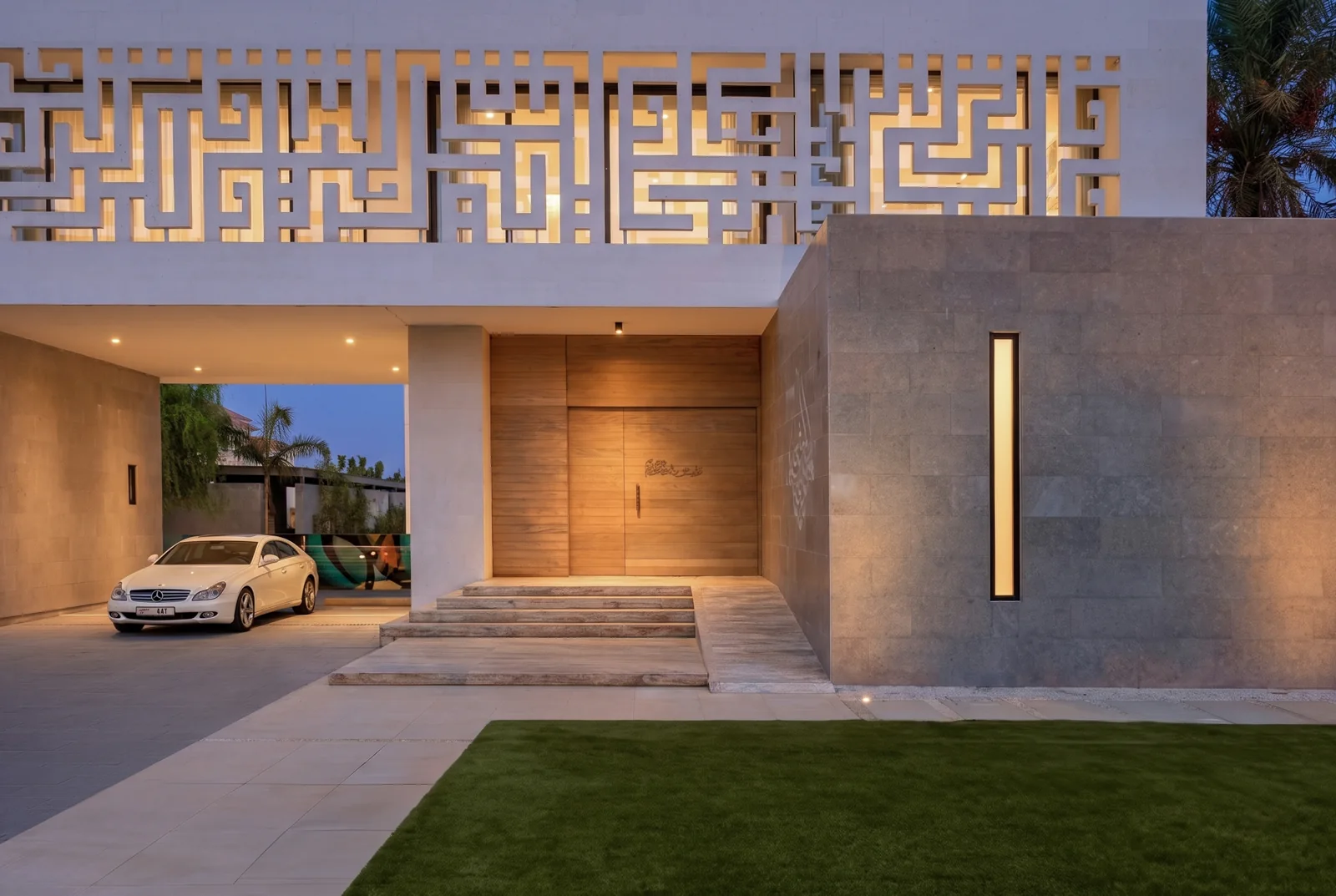
Repeated lines and balanced forms can give an image structure. Align the camera carefully for symmetrical compositions, or use leading lines to guide attention through a less formal frame.
Focus on details
Materials, junctions, textures and crafted elements can explain the design at a more intimate scale. Combine wider views with details so the audience understands both the whole and its construction.
Experiment with long exposures
A slower shutter can record the movement of clouds, water or people against a static structure. Use the technique selectively when that contrast adds meaning to the composition.
Edit with restraint
Adjust exposure, contrast, colour and perspective to strengthen the image while keeping materials and light believable. Processing should reveal the architecture rather than become the subject.
The working method
Explore, compare and refine.
Take time to study the building before deciding on the final views. Test how the composition changes with position, height and focal length, then return when the light supports the strongest idea.
Architectural photography improves through practice because every structure presents a different relationship between form, surroundings and light. The principles remain useful, but the solution should respond to the place.