Property video / 18 October 2026
The role of video in property marketing
Using movement, sound and pace to communicate how a property feels and how its spaces connect.
Bob Films Editorial
Video adds sequence to property presentation.
Photography can hold attention on a single view. Video can move between spaces, establish rhythm and combine wide context with closer details. Its value comes from shaping that movement into a clear story.
Five useful roles for property video
Engaging visual storytelling
Movement, sound and pacing can establish atmosphere while guiding the viewer through the property. The sequence should have a beginning, progression and conclusion rather than a collection of unrelated shots.
Flexible digital distribution
A planned video package can support websites, presentations, email and social channels. The intended platforms should be defined before filming so framing and duration suit each use.
Walkthroughs and remote viewing
A walkthrough can help viewers follow the order and connection of spaces before an in-person visit. Smooth movement and a legible route matter more than speed or unnecessary effects.
Feature-led sequences
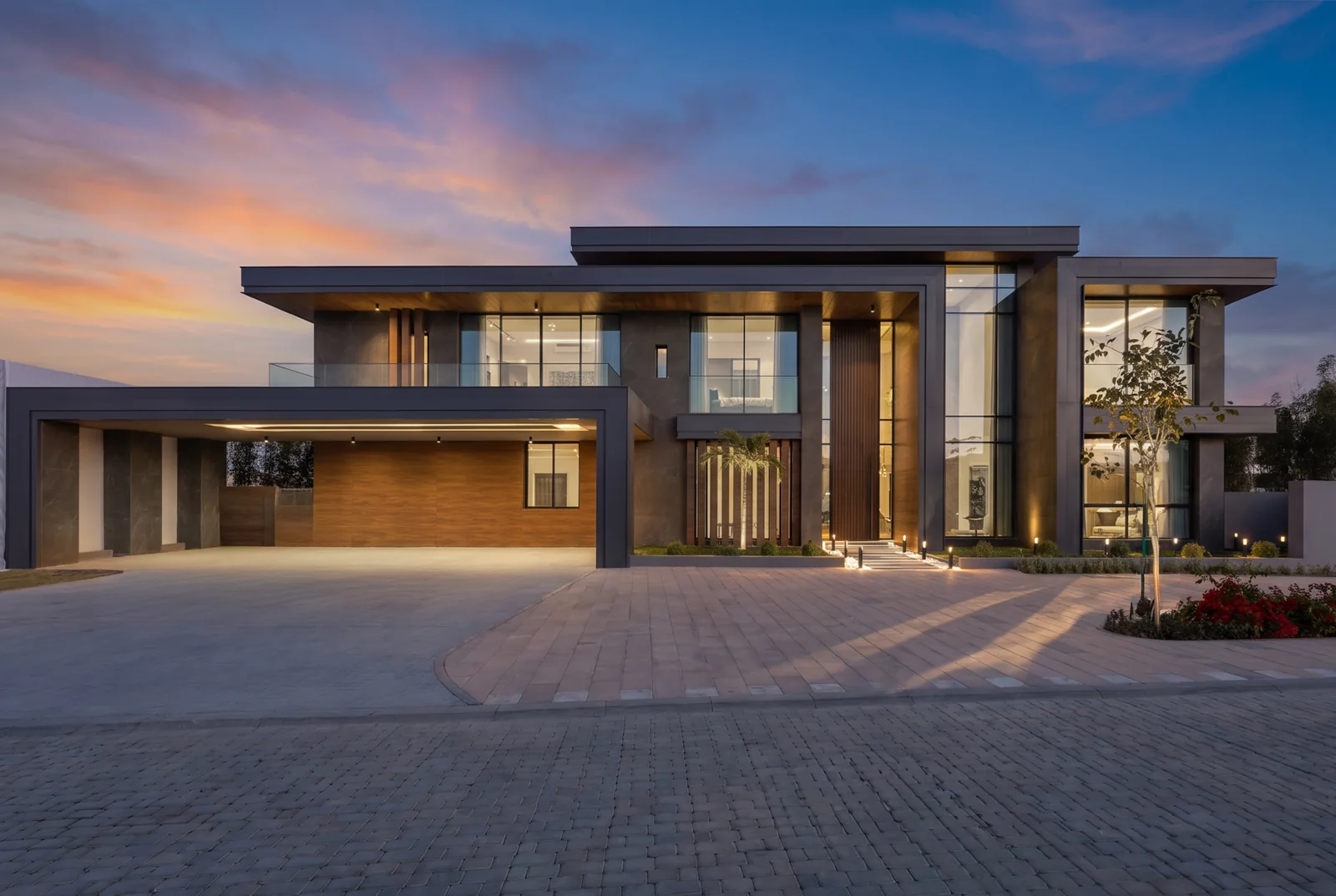
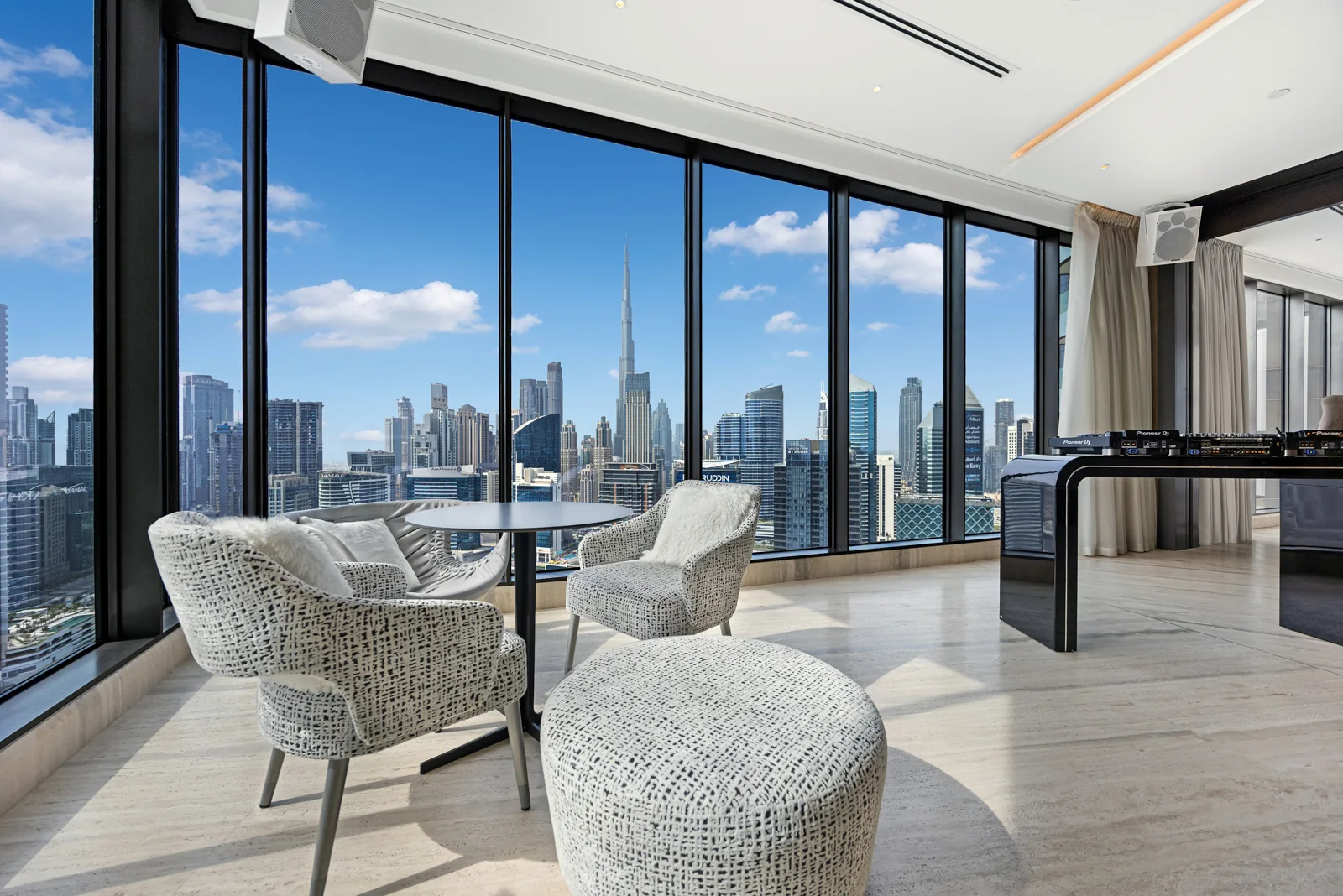
Views, interiors and architectural details can be revealed in context. Establish the whole space first, then use closer shots to show the design elements that make it distinctive.
Social media formats
Short vertical edits can introduce a property quickly, while longer horizontal films can provide more context. Both should reflect the same visual story even when their pace and framing differ.
Plan before filming
Decide what the viewer should understand.
A property video works best when the route, key features and intended length are clear before the camera begins moving. This allows each shot to have a specific role in the edit.
Music and movement should support the character of the space rather than distract from it. The final film can encourage interest, but it cannot guarantee visibility, enquiries or a sale.