Light and timing / 18 October 2026
The golden time for Dubai architectural photography
How softer light, warmer tones and longer shadows can help describe form, texture and atmosphere.
Bob Films Editorial
Timing changes the character of a building.
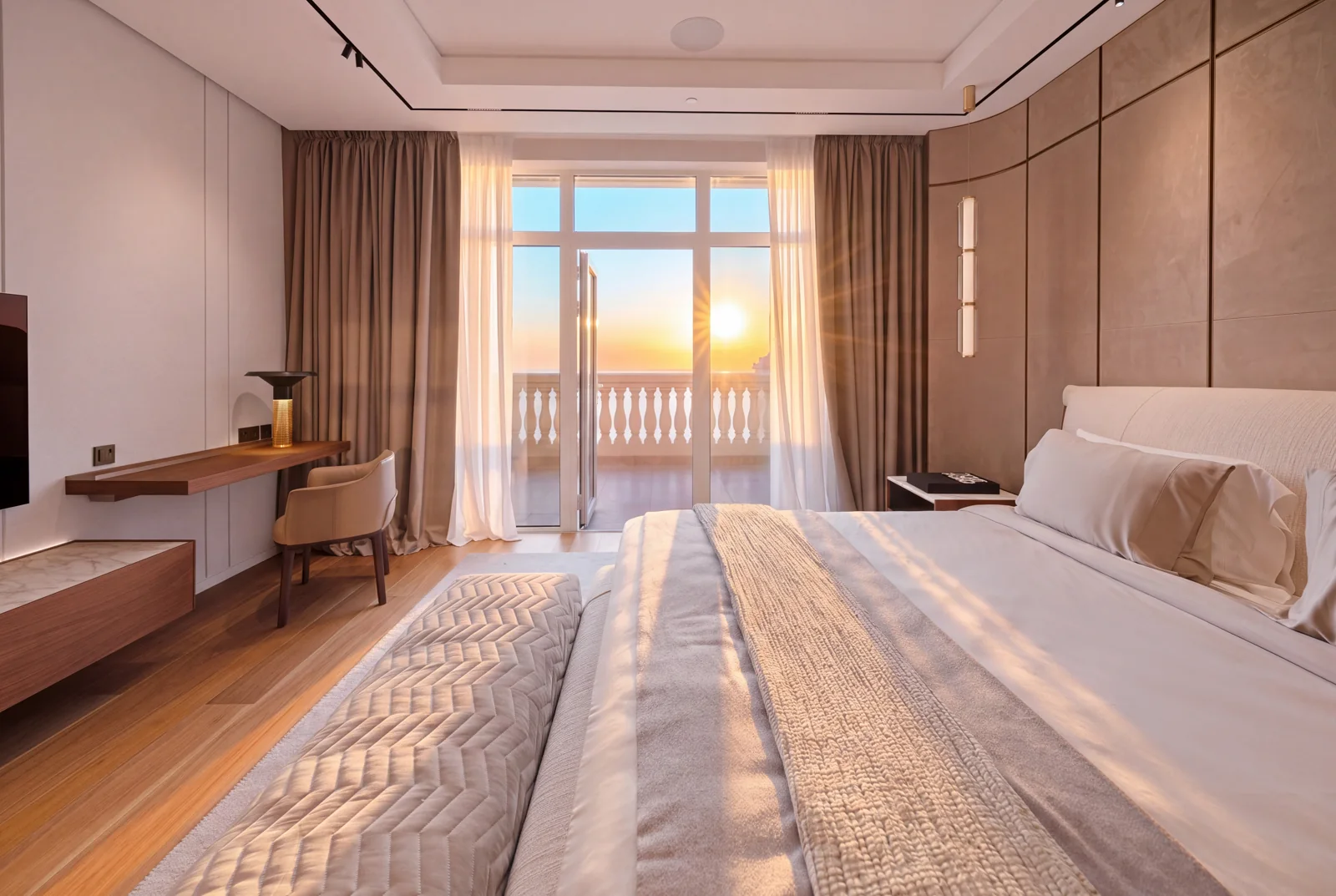
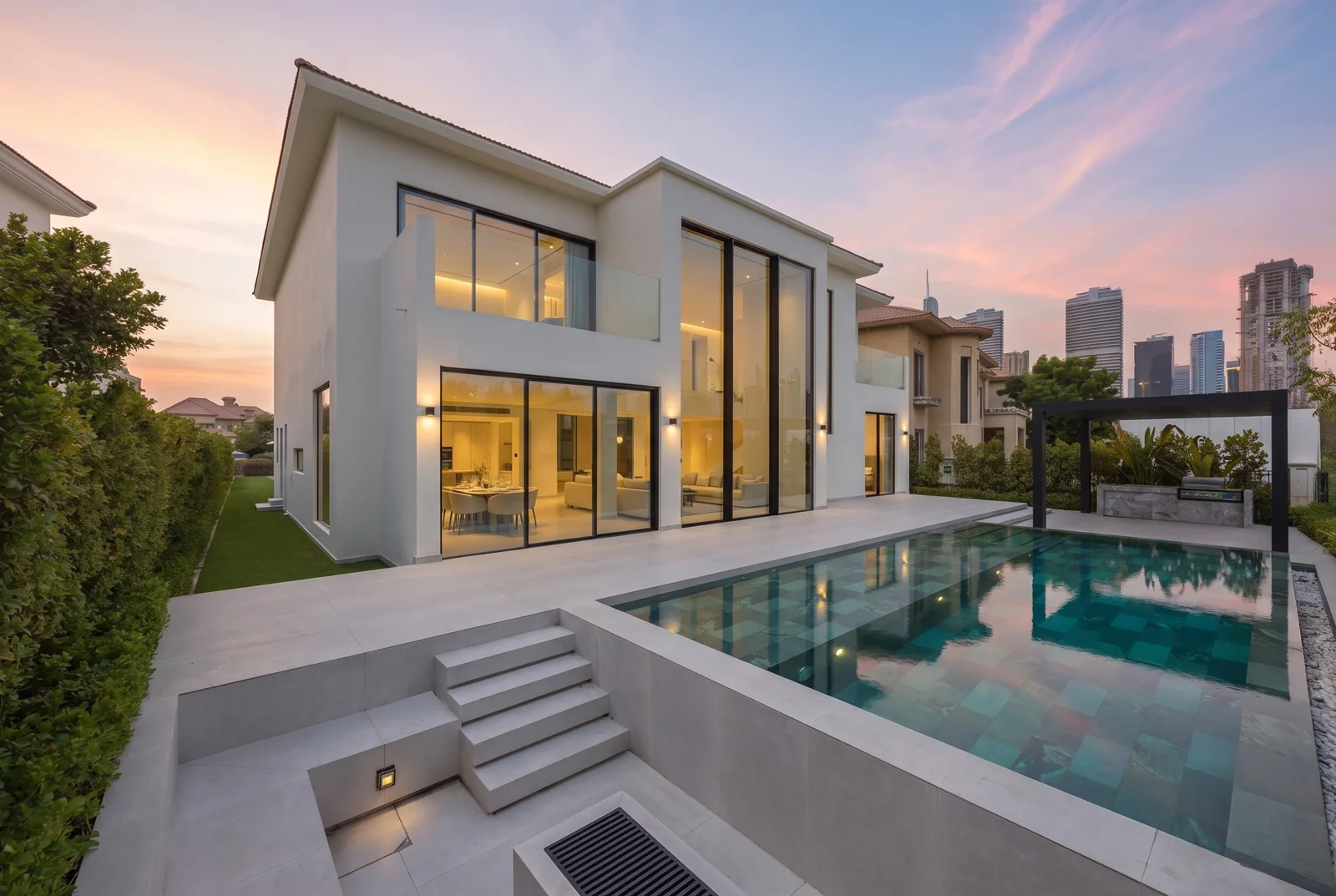
Golden hour is the period shortly after sunrise or before sunset when sunlight is lower, softer and warmer. For real estate and architecture, that light can bring out surface texture and give façades a sense of depth.
Three ways to prepare
Plan the timing
Sunrise and sunset change throughout the year. Check the day, orientation and available shooting window rather than relying on a fixed time.
Scout the location
Visit or study the site in advance. Observe where light reaches the façade, where shadows fall and how glass or polished materials reflect the surroundings.
Watch the shadows
Longer shadows can reveal scale, edges and layers. They can also hide important areas, so frame the image around what the light is actually describing.
Why it works
Warm light can separate shape from surface.
Lower-angle sunlight often produces more visible highlights and shadows than flat midday light. That contrast can help a viewer read the three-dimensional form of a building and notice details in stone, glass and metal.
Against Dubai’s skyline, the same light can create strong silhouettes and a clear transition between the structure and the sky. The result depends on weather, orientation and the surrounding buildings, so each location needs its own plan.
A short window
Prepare first, then respond quickly.
The colour and direction of the light change fast. Decide on the essential viewpoints before the best moment arrives, but leave room to react when an unexpected reflection, shadow or cloud creates a stronger frame.
Golden hour is not the only useful light for architecture. It is one option with a particular mood, and it should be chosen because that mood fits the property and the intended presentation.